
Choosing a Japanese restaurant in Stockholm starts with the kind of meal you want. Miyakodori builds an evening around grilled skewers and the sociable atmosphere of an izakaya, while MamaWolf explores everyday Japanese food. Dashi uses Japanese techniques and seasonal ingredients to shape a complete tasting-menu dinner. Together, they show how much there is to explore alongside sushi and ramen.
This guide brings together ten restaurants for casual lunches, dinners with friends and special evenings at the chef’s counter. Each entry explains the setting and dining format, with areas and price tiers to help you choose. Our Stockholm sushi guide and ramen guide compare those specialities in more detail; the main Stockholm restaurant guide covers the wider city.
10 of the best Japanese restaurants in Stockholm
Start with Miyakodori for grilled food to share, Sushi Sho or Dashi for a chef-led evening, and MamaWolf or Tokyo Diner for a more casual meal.
Miyakodori

Miyakodori is a strong starting point for Japanese dining beyond sushi. Grilled skewers are its speciality, accompanied by smaller dishes that encourage ordering across the table. The restaurant takes inspiration from a family-run yakitori izakaya in Kawasaki, bringing that spirit of careful cooking and informal hospitality to Stockholm. Food, drinks and conversation all contribute to the appeal.
The combination suits a dinner date or an evening catching up with friends. Counter seats bring you closer to the kitchen, while other seating arrangements work for different gatherings. Reservations and some walk-in availability provide flexibility, although booking is the practical choice when Miyakodori is the main plan for your evening.
Sushi Sho

Sushi Sho concentrates on the details that make counter dining distinctive: preparation, timing and the connection between chef and guest. Nigiri and Japanese small dishes form a carefully paced meal that follows the available ingredients. It is particularly appealing when you want to experience sushi as it is prepared and served directly by the chef.
The restaurant offers one chef-selected menu, with guests at the counter receiving each course together. That makes it a good fit for a food-focused date or a solo dinner where the kitchen provides much of the interest. Reserve it when you are happy to follow the restaurant’s progression, and discuss dietary requirements before booking its seafood-based menu.
Blue Light Yokohama
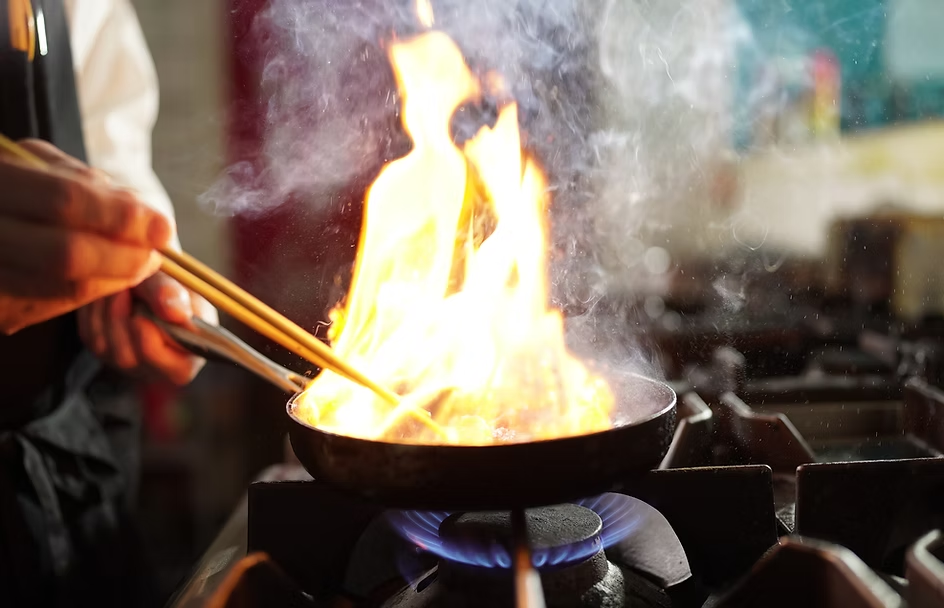
Blue Light Yokohama brings Japanese comfort food to Åsögatan, with a cooking philosophy that connects Japanese methods and locally available ingredients. Its current offering centres on ramen, making it a useful option for a relaxed meal on Södermalm. Choose it for a substantial bowl and an informal catch-up in SoFo.
The restaurant welcomes walk-ins without a reservation, with larger groups asked to email ahead. Service is limited, so check the latest notice on its website before travelling. Leave room in your plans for a walk-in meal, especially when meeting several people. Its noodle focus also makes it a more moderate-priced option than the tasting-menu restaurants in this guide.
Dashi

Dashi takes its name from the Japanese broth that underpins many preparations in the cuisine, and that foundation runs through the restaurant’s cooking. Seasonal produce meets Japanese technique in an osusume menu: the kitchen’s recommended selection. The experience explores Japanese food beyond sushi, with a sake pairing providing another way to follow the progression.
The counter offers a close view of the preparation, while smaller tables provide a different arrangement for diners who prefer facing each other. Reserve Dashi for an anniversary or an evening devoted to the meal. Guests are served together in coordinated sittings, so arrive ready to give the kitchen your time and attention, and check dietary suitability before booking.
MamaWolf

MamaWolf explores the everyday side of Japanese cooking through rice-based meals, noodles and street-food influences. Vegetarian and vegan choices make it useful when people at the table have different preferences. Its appeal is the opportunity to enjoy Japanese comfort food in a neighbourhood restaurant, with a range that encourages you to look beyond a familiar sushi order.
The informal setting near Mariatorget suits lunch with a friend or an uncomplicated dinner on Södermalm. Sake and other Japanese drinks provide another part of the experience for those who want to linger over the meal. Choose MamaWolf for variety and a casual atmosphere, and check the complete preparation when ordering for a vegetarian or vegan diet.
Washoku TOMO

Washoku TOMO combines sushi with a wider sequence of Japanese seafood preparations. Chef-owner Tomoko Hayashi leads an intimate restaurant where preparation and presentation are central to the experience. Small dishes give the meal contrast alongside the nigiri, making it relevant to diners exploring Japanese cooking more broadly. The setting suits a dinner for two near Mariatorget.
The fixed menu lets the kitchen guide the evening, with seating at the bar, window and a small sofa table. A sake pairing is available alongside drinks by the glass and alcohol-free alternatives. Check dietary suitability before reserving: the restaurant cannot provide vegetarian or vegan menus, and also cannot accommodate requests to exclude raw fish, regular soy sauce or miso.
Izakaya at TAK

Izakaya at TAK takes inspiration from Osaka’s informal restaurant-and-bar culture, interpreted through the venue’s Nordic-Japanese approach. Hot and cold dishes are intended for sharing, while high communal tables encourage a sociable atmosphere. The elevated city outlook gives the setting a distinctive character, with sake and other drinks chosen to accompany the food.
It works well for a lively date or dinner with visiting friends who would appreciate the view as part of the occasion. Be clear about which space you are booking: Izakaya is separate from TAK’s main restaurant, although both belong to the same venue. Choose several plates together or ask about the kitchen’s selection when you would rather leave the ordering to the chefs.
Tengu

Tengu makes ramen the foundation of a flexible Japanese meal, with sharing plates providing room to build a longer evening around it. You can stop for one substantial bowl or order several preparations together before the noodles arrive. The menu’s combination of noodle soups and smaller dishes gives the restaurant an appeal beyond a quick lunch.
Sake, Japanese beer and other drinks make it particularly useful for a casual dinner with friends. Tengu also promises a vegetarian or vegan ramen option, though the available choice needs checking when ordering. The restaurant operates on a walk-in basis, so leave flexibility in your plans. It provides a moderate-priced way to enjoy Japanese food with room to choose your own meal length.
Hattori Sushi Devil — Drottninggatan
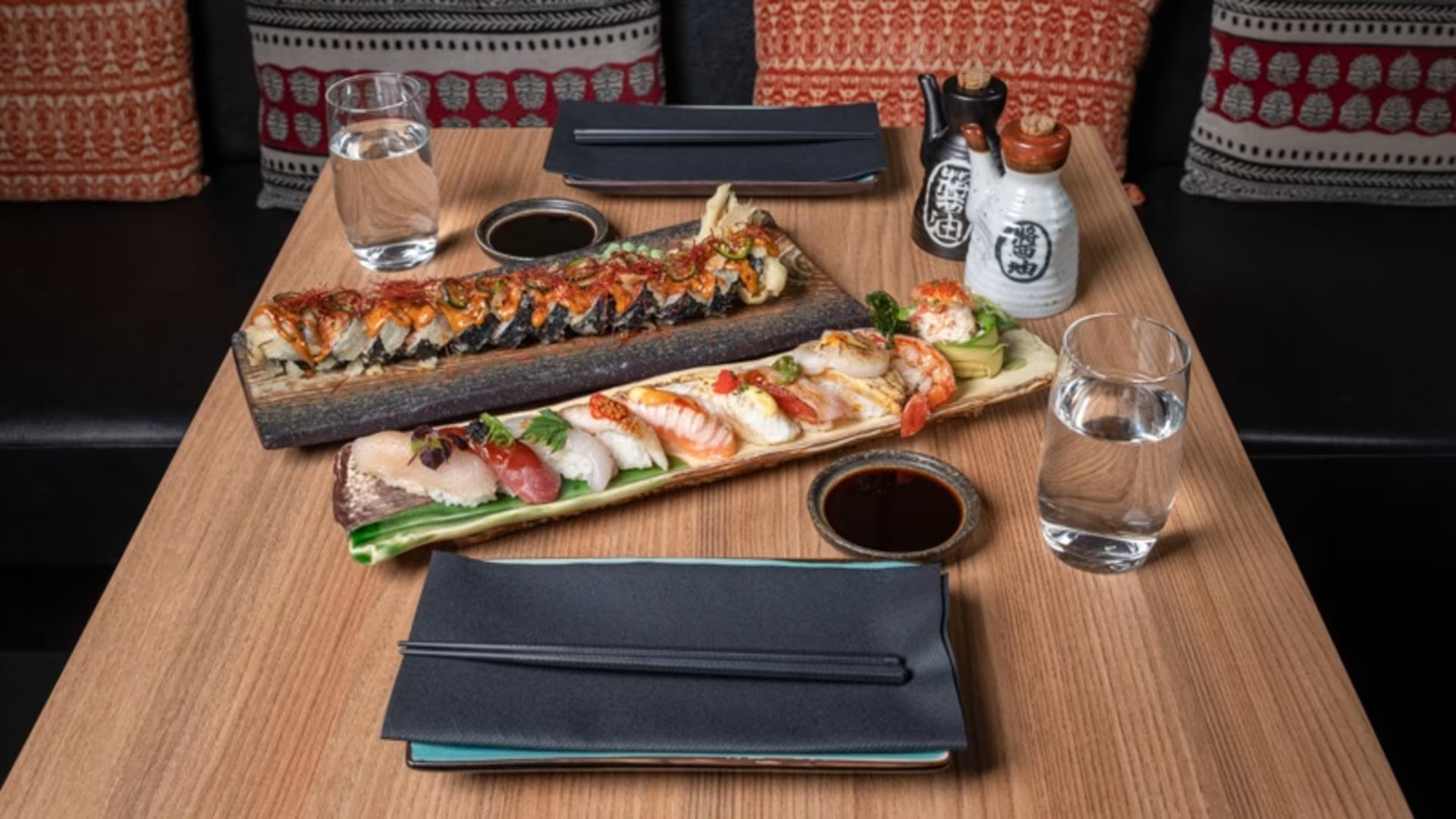
Hattori Sushi Devil offers a broad Japanese menu at its Drottninggatan restaurant. Sushi remains central, while small plates, grilled food and other preparations let you build a meal around different appetites. Creative combinations give the cooking a contemporary character, with enough variety to make it useful for a date or dinner with friends.
You can order individual dishes or choose a tasting menu when you want the kitchen to organise the progression. That flexibility is a reason to consider Hattori for a planned evening: the occasion can be shaped around how much you want to eat and share. This entry covers Drottninggatan 85; Hattori’s K25 location offers a separate food-hall experience with its own menu.
Tokyo Diner

Tokyo Diner provides a practical city-centre option for Japanese food in Hötorgshallen. Sushi sits alongside cooked dishes, giving diners several ways to put together a substantial lunch. The surrounding food hall adds atmosphere while keeping the meal informal, making it an easy place to consider when food needs to fit around the rest of your day.
It works particularly well for lunch with someone whose preferences differ from yours: one person can choose sushi while another has a hot meal. Vegetarian sushi alternatives are also listed, with staff available to discuss ingredients and dietary requirements. Takeaway is offered when you have less time to sit down. Choose it for a straightforward Japanese meal around Hötorget.
Good to know about Japanese dining in Stockholm
Choose an izakaya for a sociable meal. An izakaya brings food and drinks together in an informal setting. Miyakodori centres much of its cooking on grilled skewers, with smaller dishes to order across the table. Ask how the restaurant recommends building a complete meal, especially when sharing with several people. The number of plates alone says little about how substantial the dinner will be, so consider the whole order when comparing budgets.
Understand what an omakase booking includes. Omakase places the selection in the chef’s hands, but the food varies considerably between restaurants. Sushi Sho combines nigiri with small dishes, while Washoku TOMO presents a broader seafood-led progression. Read the menu description and explain dietary requirements before reserving. These organised meals suit diners who enjoy following the kitchen’s sequence; neither should be assumed to offer vegetarian or vegan substitutions.
Distinguish traditional cooking from contemporary interpretations. TAK describes its approach as Nordic-Japanese, with its izakaya interpreting informal dining through sharing plates and high communal tables. That setting offers a different evening from a small sushi counter. Check the restaurant’s actual approach and book the intended space: Izakaya at TAK is separate from the venue’s main restaurant. Sushi, grilled food and contemporary small plates can all belong within this guide without promising the same experience.
Plan around the service you want. Blue Light Yokohama currently focuses on ramen, so check its latest service information when planning a visit. Tengu is another casual noodle option, while Dashi uses coordinated sittings and Tokyo Diner suits an informal food-hall meal. Our editorial price tiers estimate food costs excluding drinks: $ budget, $$ moderate, $$$ upper mid-range and $$$$ splurge. Compare the complete meal, since a noodle lunch, several shared plates and a tasting menu involve different orders.
Frequently asked questions
Where can I find an izakaya in Stockholm?
Miyakodori and Izakaya at TAK are two options with different settings. Miyakodori is particularly relevant for grilled skewers and a sociable dinner. Izakaya at TAK offers Japanese-inspired sharing plates, high communal tables and a city view. Book TAK’s izakaya specifically, since its main restaurant is a separate space.
Which Japanese restaurants in Stockholm offer omakase?
Sushi Sho and Washoku TOMO both offer chef-selected menus. Sushi Sho places sushi at the centre of a sequence of nigiri and small dishes, while Washoku TOMO includes other Japanese seafood preparations. Both suit an evening planned around the meal. Discuss dietary requirements before booking; vegetarian and vegan versions are not available at these two restaurants.
Where should I eat Japanese food on Södermalm?
Blue Light Yokohama, MamaWolf and Washoku TOMO offer three distinct options. Blue Light Yokohama currently focuses on ramen, MamaWolf serves everyday Japanese food in a casual setting, and Washoku TOMO offers a structured chef-led dinner. Choose SoFo for Blue Light Yokohama or the streets around Mariatorget for the other two, then check the relevant service before visiting.
Where can I have a more affordable Japanese meal in Stockholm?
Tokyo Diner and Tengu provide more moderate-priced alternatives to a full tasting-menu dinner. Tokyo Diner suits a casual lunch in Hötorgshallen, with sushi and cooked dishes available. Tengu works for a ramen meal that can be expanded with sharing plates. Compare the complete order, since additional dishes and drinks affect the final bill.
Are there vegetarian or vegan options at Japanese restaurants in Stockholm?
MamaWolf offers vegetarian and vegan choices, while Tokyo Diner lists vegetarian sushi alternatives. Specify the complete meal you need and ask about sauces, broths and accompaniments. Neither restaurant is entirely plant-based, and a vegetarian option should not be assumed to be vegan. Seafood-led tasting menus require a separate check before booking.

